What Nashville Homeowners Are Up Against
If you live in Middle Tennessee and your eyes have been itchy since March, you’re not imagining it. Nashville sits in a valley that traps pollen, mold spores, and humidity for weeks at a time, and the tree, grass, and weed seasons here practically run into each other. Add in central heat and air that recirculates whatever’s floating around your house, and you’ve got a recipe for a home that fights you back every allergy season.
So the question we get asked a lot, especially from families who just moved here from somewhere with a shorter allergy season, is simple: does cleaning your house actually help? We’re a house cleaning company, so you might expect us to say yes without thinking twice. But the honest answer is more specific than that, and it matters. Not all cleaning helps the same way, and some habits people think are helping can actually stir allergens back into the air.
Key Takeaways
- Nashville’s geography and long pollen season make it harder than average for allergy sufferers, according to data from the Asthma and Allergy Foundation of America.
- Dust mites, pet dander, and mold are the three most common indoor allergy triggers, and regular cleaning reduces (not eliminates) all three.
- The EPA notes that cleaning can actually stir allergens into the air short-term, so method matters as much as frequency.
- HEPA-filtered vacuums, hot-water laundering, and damp dusting are more effective than dry dusting or standard vacuum bags.
- Recurring cleaning tends to matter more than one deep clean, because allergen levels build back up within days.
- Professional cleaning won’t cure an allergy, but it lowers the everyday exposure that keeps symptoms flaring.
Why Nashville’s Environment Makes Allergies Worse
Every year the Asthma and Allergy Foundation of America publishes its Allergy Capitals report, ranking the 100 largest U.S. metro areas on tree, grass, and weed pollen scores, allergy medication use, and access to specialists. Nashville’s exact rank moves around from year to year, but it’s shown up consistently on the list, and the report’s broader trend line is worth paying attention to: pollen seasons across the country are getting longer and more intense as the climate warms.
Locally, that plays out in a specific way. Nashville’s valley geography lets air, and everything floating in it, sit over the region instead of blowing through. Combine that with our humid summers (great for mold, not great for allergy sufferers) and you get a home environment that needs more upkeep than a house in, say, Denver or Phoenix.
None of this is something a cleaning crew can fix. We can’t change the weather. What we can do is help reduce how much of that pollen, dust, and dander actually settles into your carpets, vents, and bedding once it makes it inside.
How Household Allergens Actually Build Up Indoors
Most people picture “dust” as one thing. It’s really a mix of several different triggers, and each one behaves a little differently.
Dust mites. These microscopic creatures live in mattresses, pillows, upholstery, and carpet, feeding on dead skin cells. You’re not allergic to the mites themselves. You’re allergic to their droppings and body fragments, according to Kaiser Permanente’s health guidance, which is a fairly unpleasant thing to learn about your own bed.
Pet dander. Even homes without pets can carry dander, tracked in on clothing or from a previous owner’s animals. It clings to fabric and gets kicked back into the air with every step across the room.
Mold and mildew. Nashville’s humidity gives mold everything it needs. Bathrooms, laundry rooms, and window sills are the usual culprits, and mold spores are a well-documented asthma and allergy trigger.
Pollen tracked in from outside. Shoes, pets, open windows, and even your own hair carry pollen indoors during peak season. It settles on floors and furniture fast.
Here’s the part a lot of allergy advice skips over: according to the Asthma and Allergy Foundation of America, there’s often more allergen sitting on your surfaces than floating in your air at any given moment. Sitting on a couch or dusting a shelf can knock those particles airborne again, which is exactly when you start sneezing.
Does Cleaning Actually Reduce Allergy Symptoms? What the Research Says
Short answer: yes, but the details matter more than most people expect.
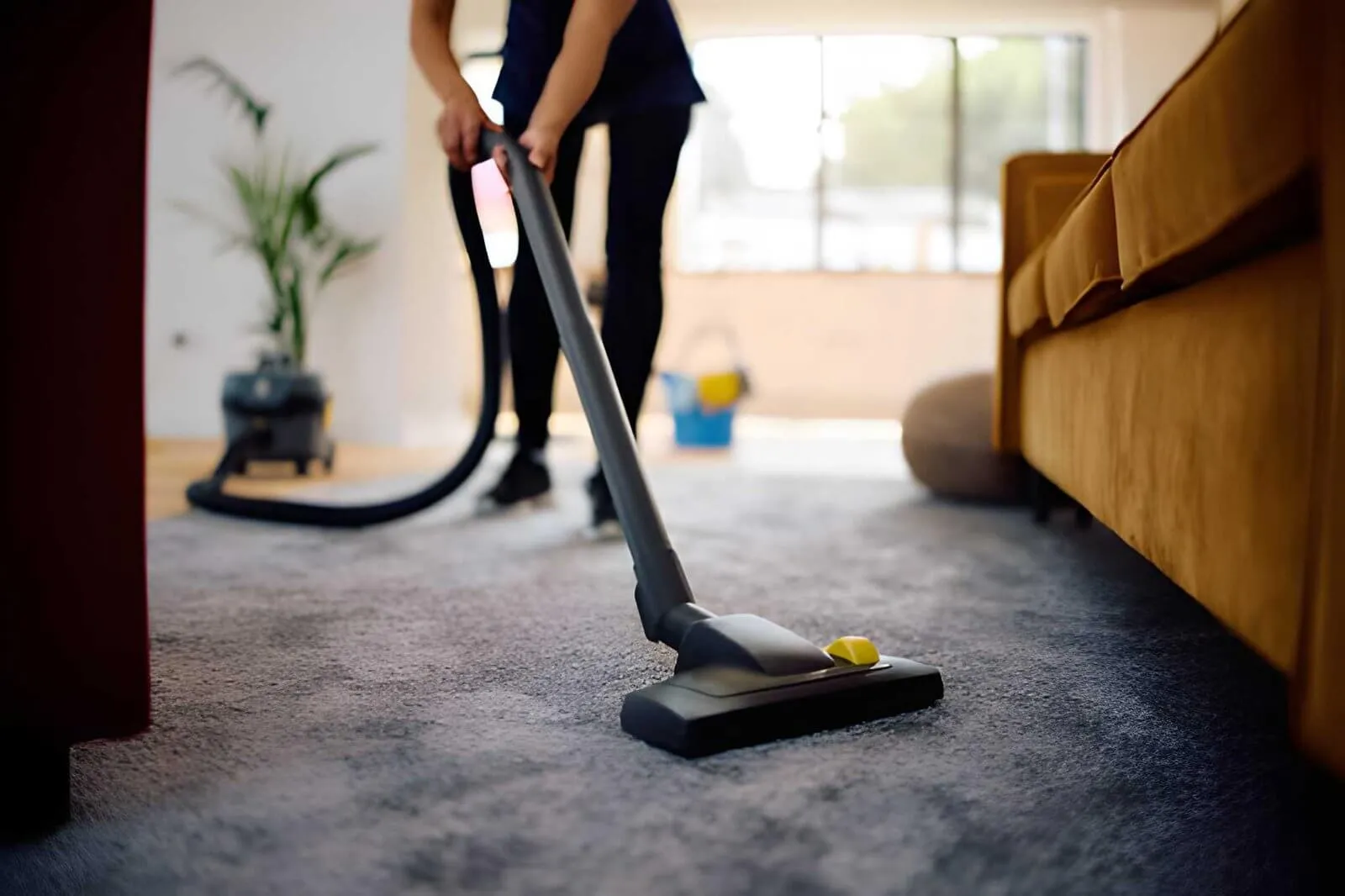
The EPA’s own guidance on indoor air quality points out something that surprises a lot of homeowners. Regular vacuuming and dusting stir up fine particles while you’re doing it, and right after. The EPA specifically recommends that allergic individuals leave the house during vacuuming when possible, or use a vacuum with a high-efficiency filter, because standard vacuum bags can leak allergens right back out.
That’s not an argument against cleaning. It’s an argument for cleaning the right way.
Hot water matters too. The EPA notes that washing bedding at a temperature above 130°F is one of the more effective ways to kill dust mites outright, not just move them around. Cool or warm water rinses won’t do it.
And humidity control plays a bigger role than most people realize. Keeping indoor relative humidity below 45 percent makes it harder for dust mites and mold to thrive in the first place. In a city as humid as Nashville, that’s not a one-time fix. It’s an ongoing thing.
What a Professional Cleaning Service Can Do That a Quick Tidy-Up Won’t
We built our process around this exact problem, honestly, because so many of our Nashville clients came to us specifically because of allergies in the house.
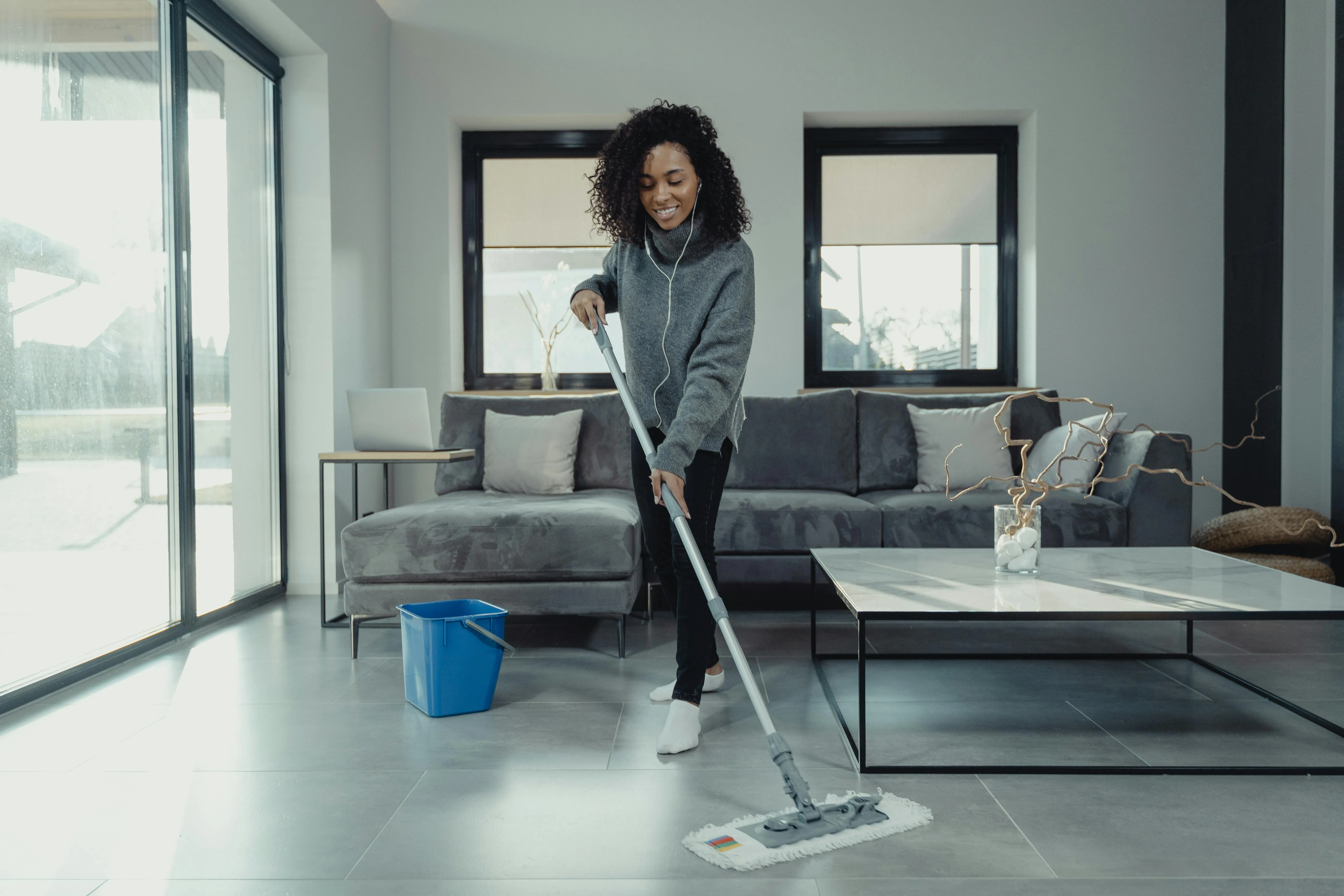
A recurring house cleaning service tackles the surfaces that build allergen load fastest: dusting furniture top to bottom (not just wiping the visible parts), vacuuming carpets and upholstered furniture, mopping hard floors, and sanitizing bathrooms where mold likes to grow. Consistency is the part that actually moves the needle. A single clean helps for a few days. A regular schedule keeps allergen levels from climbing back up between visits.
For homes that haven’t had a deep clean in a while, or that just went through pollen season with the windows cracked, our deep cleaning service goes further into the places dust mites and mold actually hide: baseboards, vents, window sills, and the corners a quick weekly clean tends to skip. If you want the full breakdown of what’s included in each visit, we’ve laid it out room by room on our cleaning checklist page.
We use kid- and pet-safe products on every visit, and eco-friendly products whenever you ask ahead. That’s partly a comfort decision for families with kids and pets, but it’s relevant here too. Harsh chemical cleaners can irritate airways in people who are already sensitive, which somewhat defeats the purpose of cleaning for allergies in the first place.
We’re a family-owned company (you can read more about how we got started on our about page, and honestly, a lot of our own team deals with seasonal allergies. It’s part of why we take this stuff seriously instead of treating it as a footnote.
Habits That Help Between Cleanings
A cleaning service isn’t the whole solution, and we’d rather tell you that than oversell it.
A few habits make a real difference between visits. Take your shoes off at the door during pollen season. Wash bedding weekly in hot water. Keep windows closed on high pollen count days and run your AC on recirculate instead. Change your HVAC filter on schedule, since a clogged filter stops trapping the particles it’s supposed to catch.
None of these take much time. They’re just easy to forget until allergy season reminds you.
Ready for a Cleaner, Lower-Allergen Home in Nashville?
If pollen season has your house feeling like it’s working against you, house cleaning in Nashville with Chery Maids is one of the more practical steps you can take. We handle the dusting, vacuuming, and bathroom scrubbing that reduces allergen buildup, so you can spend less time sneezing and more time enjoying your weekend. Get instant pricing and book online in under a minute.
Frequently Asked Questions
Can house cleaning cure my allergies?
No. Cleaning reduces your exposure to common indoor triggers like dust mites, pet dander, and mold, but it doesn’t treat the underlying allergy itself. For ongoing or severe symptoms, an allergist can help you figure out your specific triggers and treatment options.
How often should I clean my house if I have allergies?
Weekly or biweekly cleaning tends to work better than a single deep clean, since allergen levels build back up within days. Many of our Nashville clients choose a recurring schedule specifically for this reason.
Does vacuuming make allergies worse?
It can, temporarily. Standard vacuums without HEPA filtration can stir fine dust and allergen particles into the air. That’s why we use equipment designed to trap allergens instead of recirculating them.
What time of year is worst for allergies in Nashville?
Spring tends to bring the heaviest tree pollen, while late summer and fall bring grass and weed pollen. Nashville’s humid climate also supports mold growth year-round, so mold-related symptoms aren’t strictly seasonal here.
Do I need a deep clean or a standard clean for allergy relief?
If it’s been a while since your last thorough clean, or you’re just coming out of a heavy pollen stretch, a deep clean is a good reset. After that, a recurring standard clean helps keep allergen levels from creeping back up.
Are eco-friendly cleaning products actually better for allergies?
Generally speaking, yes. Harsh chemical cleaners can irritate airways in people who are already sensitive, which can add to allergy symptoms rather than reduce them. That’s part of why we use kid- and pet-safe products, and bring eco-friendly products on request.
Should I get an air purifier too?
It can help, especially for smaller airborne particles, but the EPA notes that air purifiers alone aren’t enough for larger allergen particles like pollen and dust mite debris. Regular cleaning of surfaces, bedding, and floors still does most of the work.
Wondering what a cleaning would cost? See how much house cleaning costs in Nashville.
This article is for general educational purposes and isn’t a substitute for medical advice. If you have persistent or severe allergy symptoms, talk with a licensed allergist or physician about diagnosis and treatment options specific to your situation.